| Label | Value |
|---|---|
| Topic | Natural methods to lower blood pressure without medication |
| Key Figures | 1.28 billion adults worldwide have hypertension (WHO, 2023); normal BP is under 120/80 mmHg |
| Who It Affects | Adults with high or borderline blood pressure, especially those seeking drug-free management |
| Time Period | Ongoing in 2026; lifestyle changes show results in 4–12 weeks |
| Bottom Line | Diet, exercise, sleep, and stress management together can significantly reduce blood pressure naturally. |
Why Lowering Blood Pressure Naturally Matters More Than Ever
High blood pressure — or hypertension — is one of the most widespread and silent health threats of our time. Millions of people are walking around with dangerously elevated readings and no symptoms whatsoever. The good news? In 2026, the evidence for how to lower blood pressure naturally has never been stronger. Doctors, cardiologists, and nutritionists all agree: lifestyle changes are not a second-best alternative to medication — in many cases, they are the first and most powerful line of defense. Whether your numbers are creeping up or you’ve been managing hypertension for years, this guide walks you through what actually works, why it works, and how to start today.
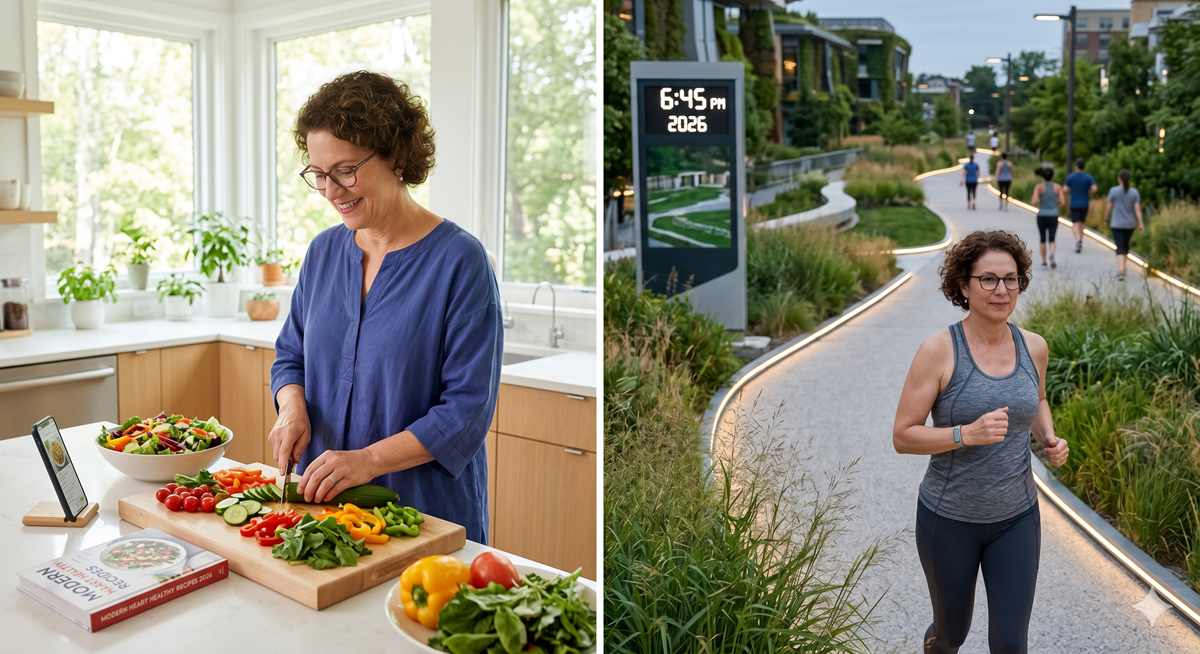
Understanding the Blood Pressure Crisis
Hypertension has been a growing concern for decades, but its scale today is staggering. The World Health Organization estimates that roughly 1.28 billion adults between the ages of 30 and 79 live with high blood pressure globally — and nearly half of them don’t even know it. In the United States alone, the CDC reports that nearly half of all adults have hypertension or are on the borderline.
For a long time, the standard medical response was medication — ACE inhibitors, beta-blockers, diuretics. These drugs save lives. But they also come with side effects, costs, and the need for lifelong prescriptions. As a result, there has been a growing push — supported by clinical research — toward non-pharmacological interventions. In 2026, that push has gained serious scientific momentum. Major health bodies now formally recommend lifestyle modifications as a core treatment strategy, not just a supplement to drugs.
The conversation has also shifted because modern life keeps pushing blood pressure higher. Ultra-processed foods, chronic stress, sedentary habits, and poor sleep are all risk factors that have worsened over the past decade. Addressing these root causes is exactly what natural approaches aim to do.
Proven Natural Strategies to Lower Blood Pressure
1. Diet: The DASH Approach and Beyond
The Dietary Approaches to Stop Hypertension (DASH) diet remains the gold standard for lowering blood pressure through food. It emphasizes vegetables, fruits, whole grains, lean proteins, and low-fat dairy while cutting back on sodium, saturated fats, and added sugars. Studies consistently show it can reduce systolic blood pressure by 8–14 mmHg — a reduction comparable to some medications.
Sodium reduction is arguably the single most impactful dietary change. Most health guidelines recommend limiting sodium to under 2,300 mg per day, with even greater benefits at 1,500 mg. Potassium-rich foods like bananas, spinach, sweet potatoes, and lentils help counterbalance sodium’s effect on blood pressure. Magnesium (found in nuts, seeds, and dark leafy greens) and calcium also play a supporting role in vascular health.
Emerging research in 2025 and 2026 also highlights the role of nitrate-rich vegetables like beets and arugula, which the body converts to nitric oxide — a compound that relaxes and widens blood vessels, directly lowering pressure.
2. Exercise and Physical Activity
Regular aerobic exercise is one of the most well-documented natural tools for blood pressure control. Walking briskly, cycling, swimming, or jogging for 150 minutes per week — about 30 minutes, five days — has been shown to reduce systolic pressure by 5–8 mmHg. Even a single session of moderate exercise can temporarily lower blood pressure for hours afterward.
Resistance training, once thought to spike blood pressure, has been redeemed by recent evidence. Performed correctly — with moderate weights and controlled breathing — it contributes meaningfully to long-term blood pressure reduction. Isometric exercises (like wall sits or handgrip training) have also shown surprisingly strong results in recent trials, with some studies reporting reductions of up to 10 mmHg systolic.
3. Sleep, Stress, and the Mind-Body Connection
Poor sleep and chronic stress are two of the most underappreciated drivers of high blood pressure. Sleep deprivation activates the sympathetic nervous system and raises cortisol levels, both of which push blood pressure upward. Adults who consistently sleep fewer than six hours a night are significantly more likely to develop hypertension.
Stress management practices — including mindfulness meditation, deep breathing exercises, yoga, and tai chi — have accumulated solid evidence in recent years. Slow, controlled breathing (inhaling for four seconds, holding briefly, exhaling slowly) activates the parasympathetic nervous system, reducing stress hormones and relaxing blood vessel walls. Even 10–15 minutes of this practice daily can make a measurable difference over weeks.
Limiting alcohol intake (no more than one drink per day for women, two for men) and quitting smoking are also critical steps — both substances cause acute and chronic increases in blood pressure.
📌 Key Points: How to Lower Blood Pressure Naturally
- The DASH diet — rich in fruits, vegetables, and low sodium — can reduce systolic blood pressure by up to 14 mmHg.
- Regular aerobic exercise (150 min/week) lowers systolic blood pressure by 5–8 mmHg on average.
- Getting 7–9 hours of quality sleep per night is essential for hormonal regulation and blood pressure control.
- Daily stress-reduction practices like slow breathing and meditation activate the body’s relaxation response.
- Reducing alcohol, quitting smoking, and limiting processed foods address key lifestyle drivers of hypertension.
What This Means for Your Long-Term Health
Choosing to lower blood pressure naturally isn’t just about avoiding pills — it’s about addressing the underlying causes of cardiovascular risk. Every 5 mmHg reduction in systolic blood pressure is associated with a roughly 10% decrease in the risk of heart disease and a 13% drop in stroke risk, according to large-scale research. These are meaningful numbers.
In the short term — typically within 4 to 8 weeks of consistent lifestyle changes — most people see noticeable improvements in their readings. Over the long term, sustained natural interventions reduce the likelihood of needing medication, lower the risk of kidney disease, and improve overall quality of life. For those already on antihypertensive drugs, natural methods may allow doctors to reduce dosages safely.
However, these strategies work best when combined. A person who eats well but sleeps four hours a night and lives in chronic stress will see limited gains. The full benefit of natural blood pressure management comes from an integrated approach — diet, movement, sleep, and mental wellness all working together.
People Are Also Asking
Final Thoughts: Small Changes, Big Results
Managing blood pressure doesn’t have to mean a lifetime of pills and side effects. In 2026, the science is clear: your daily habits — what you eat, how you move, how you sleep, and how you handle stress — are among the most powerful tools you have. The path to lower blood pressure naturally is well-mapped, and every step in the right direction counts.
Start with one change. Swap processed snacks for a piece of fruit and a handful of nuts. Take a 20-minute walk after dinner. Set a consistent bedtime. These aren’t dramatic overhauls — they are small, sustainable shifts that compound over time into meaningful health improvements. Talk to your doctor about your goals, track your progress, and know that you have real options beyond the pill bottle. Your heart will thank you for it.
Found this article helpful? Share it with someone you care about — and leave a comment below sharing which strategy you plan to try first.
Disclaimer: This article is for informational purposes only and does not constitute medical advice. Always consult a qualified healthcare professional before making changes to your diet, exercise routine, or medication. Blood pressure management should be supervised by a licensed physician.
Sources & References: World Health Organization (WHO) — Global Hypertension Report; Centers for Disease Control and Prevention (CDC) — Hypertension Data; American Heart Association (AHA) — Lifestyle Recommendations for Blood Pressure Control; Journal of the American College of Cardiology — Exercise and Blood Pressure Meta-analyses (2024–2025).
Related Internal Links
- Glycovit Reviews: Does This Blood Sugar Supplement Work
- Blood Sugar Blaster 2026: 3-month results – Did it help?
- Navigating Blood Sugar Balance: An In-Depth Look at Glucotex
- Guardian Botanicals Blood Balance Canada Reviews